
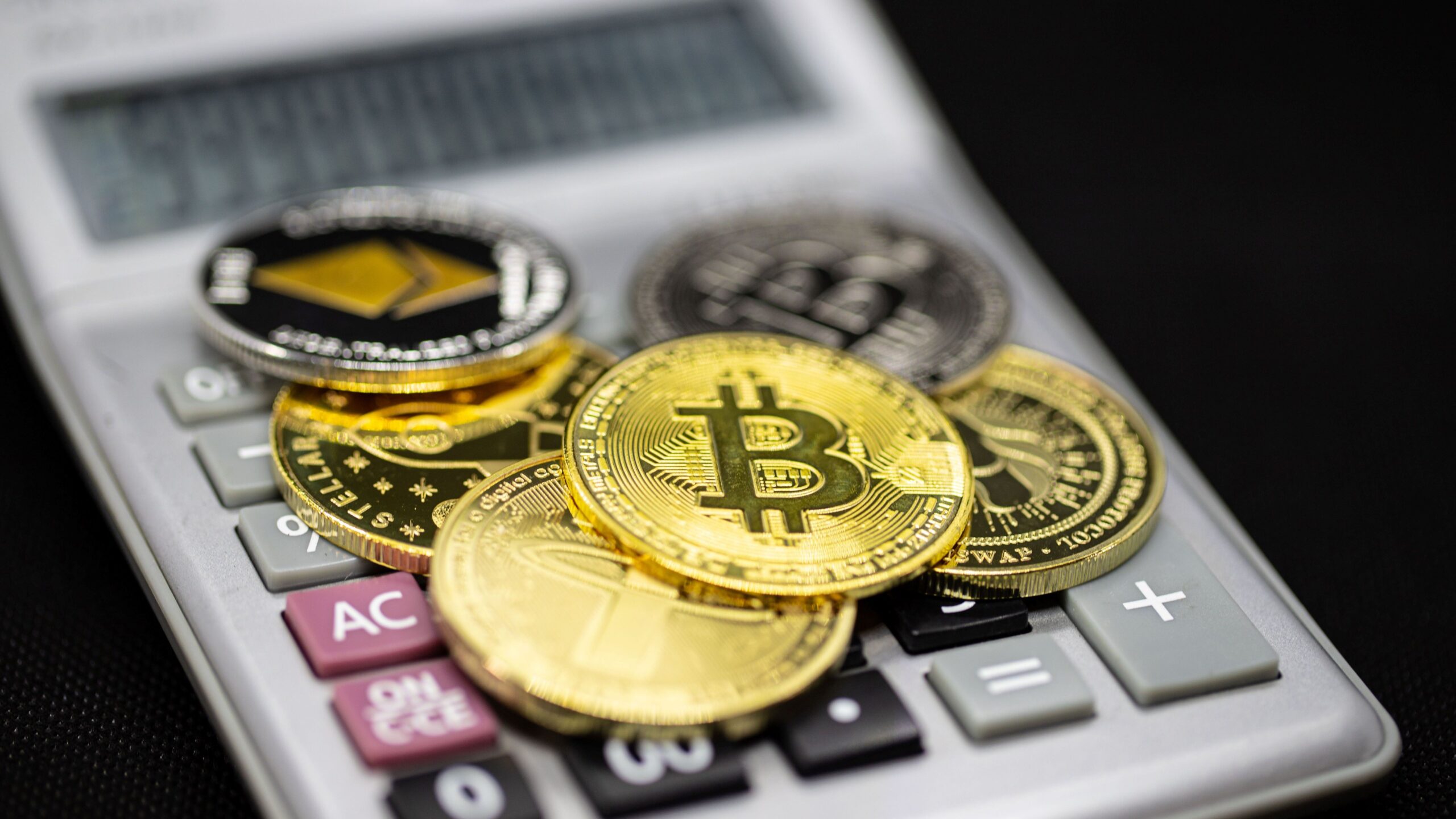
Cryptocurrency isn’t just digital money anymore—it’s a full-blown financial ecosystem. But here’s the kicker: just like any other financial move, swapping crypto can have real tax consequences. Whether you’re trading Bitcoin for Ethereum, swapping altcoins on a DEX, or staking and earning tokens, the taxman wants a piece of the action. Let’s break this down step-by-step in plain English. We’ll go deep (but not too technical) so you’ll walk away knowing exactly how swapping crypto affects your taxes, what to do about it, and how to stay out of hot water with the IRS or your local tax authority.
What Is a Crypto Swap?
Before diving into the tax details, it’s important to understand exactly what a crypto swap means. At its core, a crypto swap refers to the process of exchanging one cryptocurrency for another without involving traditional fiat currency like dollars or euros. This means you are trading one digital asset directly for a different digital asset, such as exchanging Bitcoin for Ethereum or swapping stablecoins like USDT for DAI. Unlike simply buying or selling cryptocurrency with cash, swapping is a direct trade between two different cryptocurrencies.
On the surface, swapping crypto might seem like a straightforward process—just a simple exchange between two tokens on a platform or exchange. However, this action carries more complexity beneath the surface, especially when viewed through the lens of financial regulations and taxation. Since each cryptocurrency is considered an asset with its own value, exchanging one for another is effectively a sale of one asset and the purchase of another. This distinction is crucial because it means the swap can trigger taxable events, similar to selling stocks or other investments.
Swaps occur in many forms and on various platforms, from centralized exchanges like Binance and Coinbase to decentralized exchanges like Uniswap and PancakeSwap. Users might swap cryptocurrencies for numerous reasons, such as portfolio diversification, taking advantage of price movements, or accessing certain decentralized finance (DeFi) applications that require specific tokens. No matter the motive, every swap involves an evaluation of the token being given up and the token being received, which impacts how these transactions are recorded and taxed.
The key takeaway here is that a crypto swap is not just a casual trade of digital coins but a financial transaction with real-world implications. Understanding what a swap entails helps clarify why tax authorities consider these actions taxable events. As we explore further, you’ll see how each swap’s value and timing play a vital role in determining your tax liability, making it essential to track and report these transactions accurately.
Is Swapping Crypto a Taxable Event?
| Action | Taxable Event? | Tax Treatment | What You Need to Report | Notes |
| Swapping one crypto for another | Yes | Capital gains tax applies | Report the fair market value and calculate gain/loss | Treated as disposal of the first crypto |
| Swapping crypto for fiat | Yes | Capital gains tax applies | Report proceeds from sale and gain/loss | Similar to selling an asset for cash |
| Buying crypto with fiat | No | Not a taxable event | Record cost basis | Acquisition of asset, no gain/loss at purchase |
| Transferring crypto between wallets | No | Not taxable | Maintain records for proof | No disposal, same ownership |
| Using crypto to pay for goods/services | Yes | Considered disposal | Report value of crypto spent and gain/loss | Even payments can trigger taxable events |
Why Does the Government Care About Crypto Swaps?
- Realizing Profits Means Taxable Income: When you buy a cryptocurrency at a low price and later swap it for another crypto at a higher value, you’ve made a profit. Governments view this profit as income or capital gain that should be taxed, just like earnings from stocks or real estate.
- Crypto Is Treated as Property, Not Currency: Unlike traditional money, most tax authorities classify cryptocurrencies as property or assets. This means every time you dispose of crypto—whether by selling it for fiat or swapping it for another crypto—it’s treated like selling an investment, which triggers tax responsibilities.
- Every Swap Is a Sale and Purchase: Even though swapping crypto doesn’t involve cash changing hands, tax agencies consider it the equivalent of selling one asset and immediately buying another. This “sale” event is what creates the tax obligation.
- Preventing Tax Avoidance: Without taxing crypto swaps, people could avoid taxes by simply converting assets between different cryptocurrencies indefinitely. By treating swaps as taxable, governments close this loophole and ensure taxable gains are reported.
- Tracking Wealth and Transactions: Crypto transactions can involve significant sums and gains. Tax authorities want to track these to maintain fair taxation and prevent money laundering or unreported income.
- Encouraging Compliance and Transparency: Taxing swaps motivates individuals to keep accurate records and report their earnings. It brings more transparency to the rapidly growing crypto space.
- Aligning with Existing Tax Frameworks: Governments already have established rules for property and investment taxation. Treating crypto similarly ensures consistency and makes enforcement easier.
- Ensuring Fairness Across Asset Types: Whether you trade stocks, real estate, or cryptocurrencies, the tax system aims to treat gains from these transactions fairly. Ignoring crypto swaps would create an unfair advantage.
- Addressing the Growing Popularity of Crypto: As more people use cryptocurrencies, governments recognize the need to regulate and tax these transactions to maintain their revenue base.
- Supporting National Budgets: Taxes from crypto gains contribute to government funding, which supports public services and infrastructure.
- Legal Obligation for Taxpayers: Ultimately, individuals and businesses using crypto must comply with laws. Governments emphasize that tax on crypto swaps is a legal responsibility, not optional.
Tax Implications of Swapping Crypto
When you swap one cryptocurrency for another, it’s not just a simple exchange — it triggers important tax consequences. From the tax perspective, swapping crypto is treated as if you sold the first cryptocurrency and then bought the second. This means you need to calculate whether you made a profit or loss on the asset you disposed of. The basic formula involves subtracting the original purchase price (known as the cost basis) from the fair market value of the cryptocurrency at the time you swapped it. The difference between these two values is either a capital gain if positive or a capital loss if negative.
This gain or loss must be reported to tax authorities, and it affects how much tax you owe. If you made a profit on the swap, that profit is taxable income. If you incurred a loss, you might be able to use it to offset other gains or even reduce your taxable income depending on your country’s tax rules. It’s crucial to keep detailed records of the purchase price, sale price, and date of each transaction because these details form the basis for accurate tax reporting.
An additional layer to consider, particularly in countries like the United States, is the distinction between short-term and long-term capital gains. The length of time you held the cryptocurrency before swapping it determines how your gain or loss is taxed. If you held the crypto for less than one year, any profit is taxed as ordinary income, which often means a higher tax rate. On the other hand, if you held the asset for more than one year before swapping, your gains may qualify for the lower long-term capital gains tax rate, which can substantially reduce your tax burden.
This timing factor makes a big difference in your overall tax strategy and can influence when and how you decide to swap cryptocurrencies. By understanding the tax implications and the importance of holding periods, you can plan your trades more effectively and potentially minimize your tax liabilities. In all cases, it’s advisable to work with tax professionals or use reliable crypto tax software to ensure your reporting is accurate and compliant with the latest regulations.
Common Swaps and Taxability
| Type of Crypto Swap | Taxable? | Tax Treatment | Reporting Requirement | Additional Notes |
| Bitcoin (BTC) to Ethereum (ETH) | Yes | Triggers capital gain or loss | Report fair market value at swap and calculate gain/loss | Considered disposal of BTC; taxable event |
| Ethereum (ETH) to Stablecoin (e.g., USDT) | Yes | Treated as disposal of ETH | Report proceeds from ETH disposal | Even swapping to stablecoins is taxable |
| One stablecoin to another | Yes | Treated as crypto-to-crypto swap | Report market value and gain/loss | Still a taxable event despite similar asset type |
| Fiat currency (USD) to crypto (e.g., BTC) | No | Not a disposal, acquisition only | Record purchase cost basis | Buying crypto with fiat is not taxable |
| Crypto to fiat currency | Yes | Treated like selling property | Report sale proceeds and calculate gain/loss | Taxable event as you convert crypto back to fiat |
| Internal transfer between wallets (wallet A to wallet B) | No | Not taxable; no disposal | Maintain records for audit purposes | No change in ownership; not a taxable event |
How to Track Your Crypto Swaps
Tracking crypto swaps can feel overwhelming, especially when juggling multiple wallets, exchanges, and decentralized platforms. Staying organized is key to keeping your tax reporting accurate and hassle-free. Here’s a detailed, step-by-step list of how you can track your crypto swaps effectively:
- Use specialized crypto portfolio trackers that automatically import your transaction data from wallets and exchanges, saving you manual effort and minimizing errors.
- Choose reliable and widely used tools such as CoinTracker, Koinly, CoinLedger, Accointing, or ZenLedger, which support a variety of exchanges and wallet types.
- Regularly sync your wallets and exchange accounts with your chosen tracking software to keep your transaction history up to date.
- Verify that your portfolio tracker correctly categorizes different types of transactions, especially swaps, as these can be complex to record accurately.
- Generate tax reports from these apps that comply with the tax laws of your country, helping you file your taxes confidently.
- If you prefer manual tracking, create a detailed spreadsheet to record every transaction meticulously.
- In your spreadsheet, log the date you purchased each cryptocurrency to establish your cost basis.
- Record the amount you originally paid (cost basis) for every crypto asset before you swap it.
- Note the exact date when you swap one cryptocurrency for another, as the holding period impacts tax rates.
- Document the fair market value of the crypto you swapped at the time of the transaction to calculate gains or losses.
- Calculate and record the capital gain or loss for each swap by subtracting the cost basis from the value at the swap date.
- Include any fees or transaction costs paid during swaps, as these can adjust your taxable gain or loss.
- Keep records of wallet addresses involved in transfers to prove ownership and avoid confusion during audits.
- Back up your tracking data frequently to prevent loss and to have records ready for tax authorities if needed.
Pro Tip: Understand Cost Basis
Understanding the concept of cost basis is fundamental when dealing with cryptocurrency taxes, especially during swaps. Cost basis refers to the original amount of money you spent to acquire a particular cryptocurrency, including any fees or commissions paid during the purchase. It serves as the starting point for calculating your capital gains or losses when you later dispose of or swap that asset. Without knowing your cost basis, you cannot accurately determine how much profit or loss you made on a transaction, which is essential for tax reporting purposes.
For example, imagine you bought 1 Ethereum (ETH) for $1,000. This $1,000 becomes your cost basis for that ETH. Later, if you decide to swap that 1 ETH for Bitcoin (BTC) when the market value of ETH is $1,800, the swap will trigger a taxable event. To calculate the capital gain from this swap, you subtract your original cost basis ($1,000) from the fair market value at the time of the swap ($1,800). The result is an $800 capital gain, which you need to report as income on your tax return.
Cost basis can sometimes be tricky to calculate accurately, especially if you have purchased the same cryptocurrency in multiple transactions at different prices. Tax authorities often allow different accounting methods such as FIFO (First In, First Out), LIFO (Last In, First Out), or specific identification to track cost basis, but you must be consistent in applying the method you choose. Keeping detailed records of every purchase, including dates, amounts, and prices, is critical to establishing an accurate cost basis.
Ultimately, knowing your cost basis empowers you to understand the real profit or loss from your crypto activities. It helps prevent mistakes in your tax filings and ensures that you don’t overpay or underpay your taxes. If you’re ever unsure about calculating cost basis or how to apply it in your tax situation, consulting a tax professional familiar with cryptocurrency can provide clarity and peace of mind.